QUICK AND EASY TECHNIQUE TO DETECT SURFACE AND SUBSURFACE FLAWS
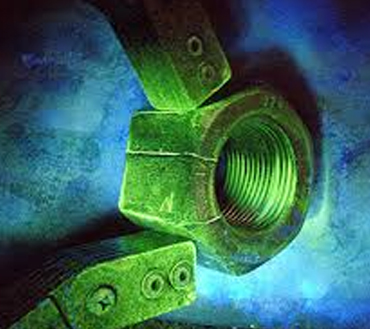
Magnetic Particle Inspection (MPI) is a non-destructive testing method that can be used to detect surface and subsurface flaws in ferromagnetic materials. MPI is often used to find the job’s fitness for use & conformity. Since it is a Quick & relatively easy technique, it is widely used in various sectors including aerospace, automotive, petrochemical, structural steel and power generation in order to inspect a variety of products and equipment such as engine, suspension and braking system components, castings, forgings and weld joints.
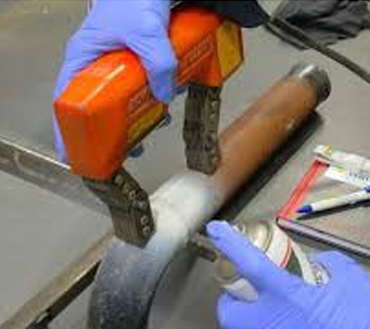
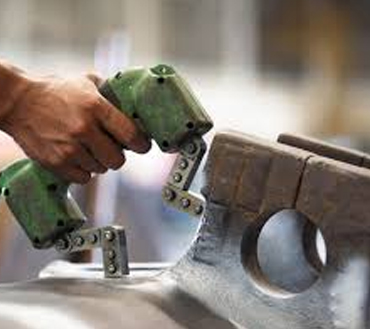
A yoke has an electric coil in the unit creating a longitudinal magnetic field that transfers through the legs to the examined part. The yoke technique is easy to use with minimal training. It can be used indoors, outdoors, inside vessels and tanks, and in all positions. Yoke method is the MPI Technique widely used for on-site inspections.