WORKING PRINCIPLE
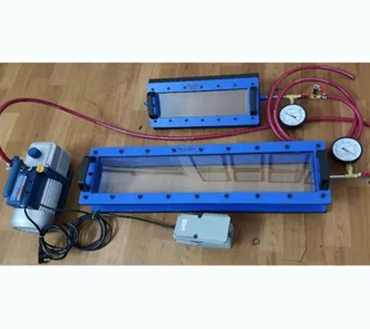
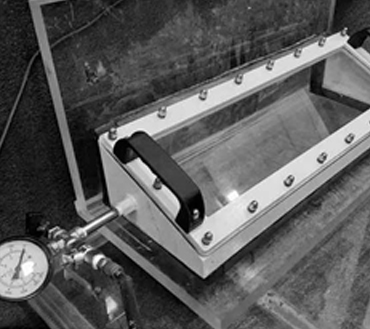
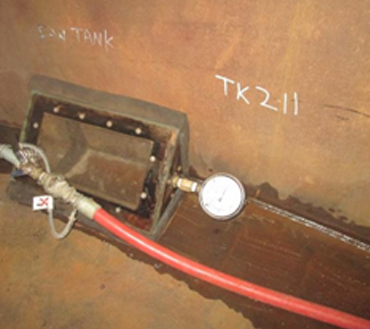
Leak testing is a widespread non-destructive testing used by inspectors to identify the existence of defects in a material that is the reason for leaks. When elements come out of the container, they flow from where the pressure is increased to where it is low. Leak testing tends to leverage this phenomenon by utilizing pressure to produce flow towards the lower pressure, that is, the location of leaks, while strictly monitoring the flow.
Leak testing must be performed when inspecting for flaws within an enclosed system. The success of this non-destructive testing completely relies on the object being tested. This is so because different objects and materials might respond differently to the high pressure generally utilized in leak testing to push a gas or liquid out of a defect. In leak testing materials, ndt inspectors will examine for deficiencies like holes, weak seals, cracks, or any other imperfections. Leak testing is commonly utilized in various industries as a part of their maintenance procedures, such as packaging, consumer goods, sealed electronics, automotive, medical devices, etc.
ADVANCES IN LEAK TESTING
Over the last several years, advancements in sensors, chips, valves, and other types of technology have helped make leak testing more sensitive and capable as an NDT method.
All of these advances have made leak testing faster and more accurate, and have in turn helped companies to improve the quality of their manufacturing processes and their overall output.
One of the biggest advances in leak testing has been the advent of the Internet of Things. Now, with an internet connection, inspectors can collect, monitor, and share leak testing data remotely, allowing them to get the information they need in a timely manner to ensure ideal maintenance.
This data can be evaluated not just by inspectors but also by manufacturing engineers, production managers, maintenance managers, and other stakeholders in the manufacturing process, allowing for improved, real-time insights into the conditions of the assets they’re using.